
Doctors Are Performing Unnecessary Atherectomies at an Alarming Rate, Resulting in Leg Amputations
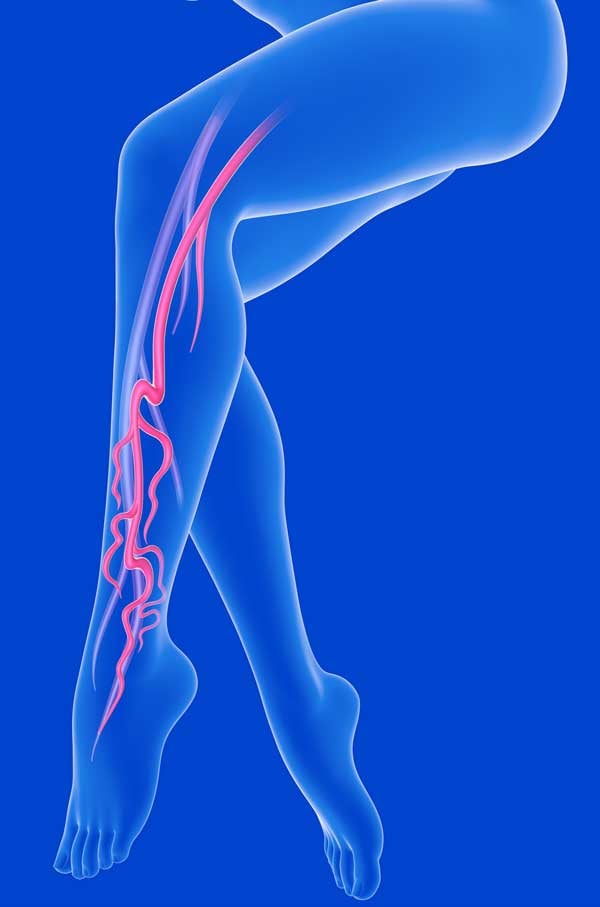
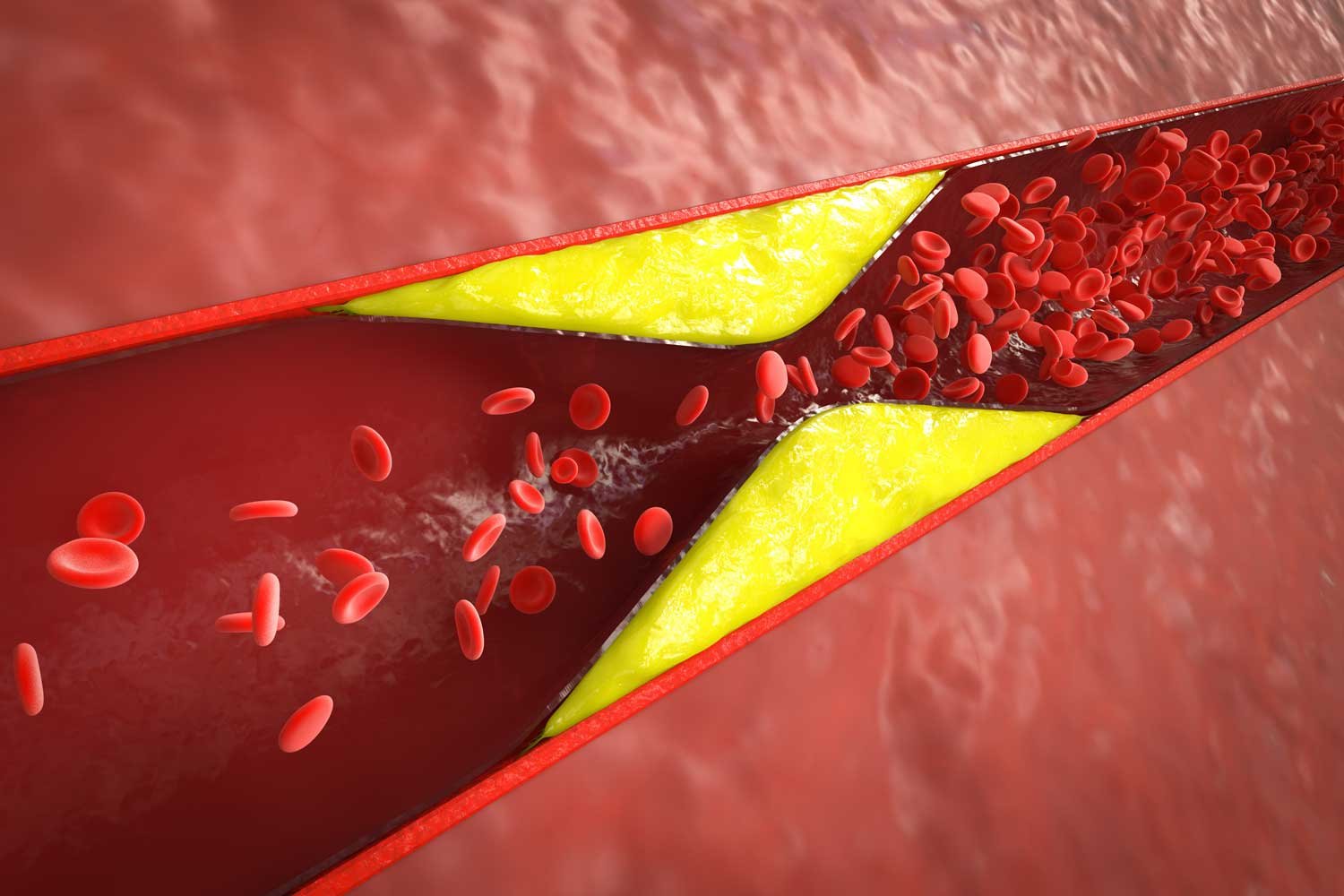
Most people who have peripheral artery disease do not require surgery. Unless they have serious symptoms, exercise and medication are the preferred forms of treatment. And when surgery is required, patients should not undergo multiple procedures in a short amount of time. According to The New York Times, the number of atherectomies billed to Medicare has doubled between 2011 and 2021. Many of these patients could have been treated effectively with exercise and medication.
"Rigorous medical research has found that atherectomies are especially risky: Patients with peripheral artery disease who undergo the procedures are more likely to have amputations than those who do not."
- New York Times
If you or a loved one has suffered serious injury following an atherectomy, our dedicated Atherectomy Team of attorneys can help. We have substantial experience handling complex medical malpractice cases and work with nationally recognized vein experts, to achieve the results that you deserve.

Mark W. Tanner
Mark W. Tanner, a Co-Managing Shareholder at Feldman Shepherd, is a dedicated and seasoned trial attorney who has secured numerous multimillion-dollar verdicts and settlements in a wide variety of matters including medical malpractice, defective medical device product liability claims, disability insurance claims, insurance bad faith claims, civil rights claims, catastrophic trucking and motor vehicle accident cases, and class action litigation.
A legal thought leader, Tanner is a frequent lecturer at continuing legal education programs and has taught trial advocacy, among other subjects, to law students and graduate LL.M. students at Philadelphia area law schools. He has lectured throughout the United States and, by invitation, to barristers in London.
Tanner is a Fellow of the American College of Trial Lawyers (membership limited to 1% of the lawyers in any given state) and a Fellow of the International Academy of Trial Lawyers (membership limited to 500 lawyers in the United States). He has been recognized every year since 2007 as one of the Top 10 Super Lawyers in Pennsylvania by Thomson Reuters. He is the former president of The Philadelphia Trial Lawyers Association (2007-2008) and the 2005 recipient of its President’s Award.
Peter M. Newman
Peter M. Newman, a Partner at Feldman Shepherd, represents clients in catastrophic personal injury cases including medical malpractice, product liability, and complex personal injury and wrongful death actions. Newman also handles claims against insurance companies for clients who are victims of bad faith in the adjustment or defense of claims, and for clients who made claims for disability benefits that their insurers unreasonably denied. Over the course of nearly 30 years as a trial lawyer, Newman has represented clients who are victims of medical and surgical errors and delayed diagnoses. He has also developed considerable experience investigating the cause and origin of fires and swimming pool accidents.
Newman is regularly listed as a Pennsylvania Super Lawyer by Thomson Reuters. He served a three-year term as a member of the Board of Governors of the Philadelphia Bar Association and is a member of the Association’s Judicial Commission, which evaluates candidates for judge of the Philadelphia Court of Common Pleas and Philadelphia Municipal Court and rates them for the benefit of the voting public. Newman serves as an arbitrator in the Philadelphia County Court of Common Pleas and as a Judge Pro Tempore in the Court’s Dispute Resolution Center. He is a past member of the Board of pro bono legal services provider Philadelphia VIP.